
Price :
QTY :
CART TOTALS :
There are items
in your cart
CART TOTALS :
With this product also buy:
Your shopping bag is empty
Go to the shop
Maintaining joint health in horses is essential for both performance and longevity.
Equine joints are exposed to significant mechanical stress through:
Training
Competition
Daily movement
Over time, this can lead to cartilage wear, inflammation, and reduced joint function.
A healthy joint consists of:
Articular cartilage (shock absorption)
Synovial fluid (lubrication)
Joint capsule (support)
When these structures are compromised, movement becomes less efficient and more uncomfortable.
Joint problems in horses may include:
Degenerative joint disease (DJD)
Osteoarthritis
Inflammation from repeated stress
These conditions can affect both performance and comfort.
Early detection is key.
Look for:
Stiffness at the start of work
Reduced range of movement
Uneven gait
Difficulty bending or flexing
Reduced performance
Joint health is influenced by:
Age
Workload and discipline
Surface conditions
Conformation
Nutrition
Managing these factors is essential for long-term soundness.
Gradual warm-ups and appropriate workload help reduce stress on joints.
Avoid sudden increases in intensity.
Working on excessively hard or uneven surfaces can increase joint strain.
Consistent footing helps protect joints.
Nutrition plays a key role in maintaining joint function.
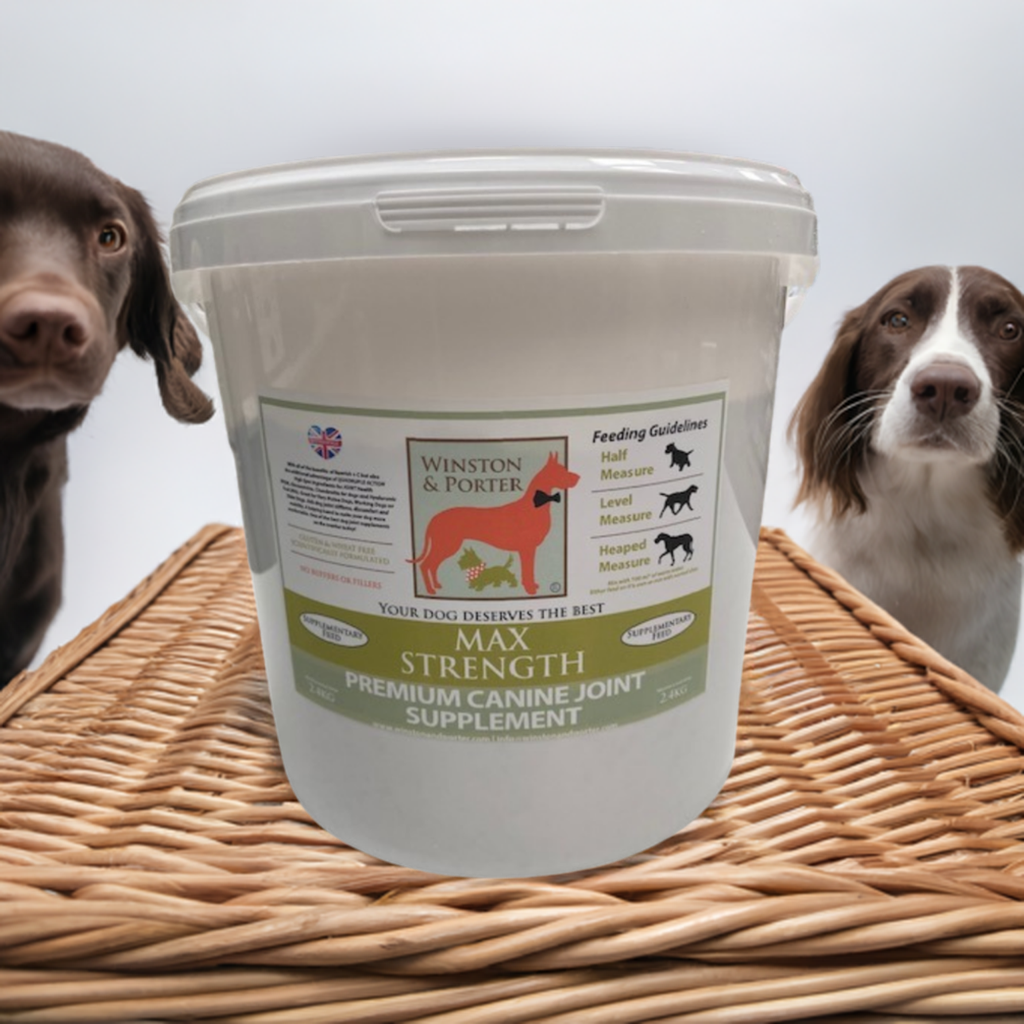
Targeted supplementation can support joint structures and function.
High-quality horse joint supplements can support:
Cartilage integrity
Joint lubrication
Flexibility
Recovery
Key ingredients include:
Glucosamine
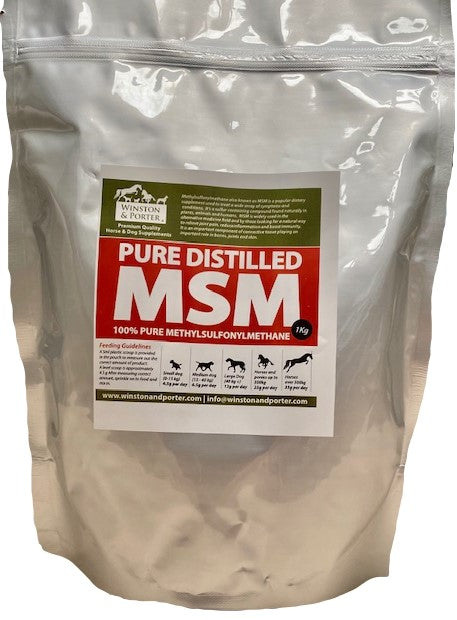
MSM
Hyaluronic acid
Collagen
👉 Consistency is critical for results.
Regular monitoring and veterinary input are essential for:
Identifying issues early
Managing joint conditions
Maintaining performance
Performance horses place greater demands on their joints.
Supplementation and careful management can help:
Maintain flexibility
Support recovery
Reduce long-term wear
Older horses often show:
Increased stiffness
Reduced mobility
Joint support can help maintain comfort and quality of life.
Effective joint care is a long-term process.
It involves:
Consistent management
Appropriate workload
Nutritional support
Monitoring changes over time
Joint health is fundamental to your horse’s performance and wellbeing.
With the right approach, you can support:
Mobility
Comfort
Longevity
A combination of management, nutrition, and supplementation.
Yes, when used consistently and formulated correctly.
Typically 2–6 weeks.