
Price :
QTY :
CART TOTALS :
There are items
in your cart
CART TOTALS :
With this product also buy:
Your shopping bag is empty
Go to the shop
Dog arthritis, also known as osteoarthritis, is a common condition that causes inflammation and deterioration of the joints.
It occurs when cartilage — the protective cushioning within joints — breaks down over time, leading to stiffness, discomfort, and reduced mobility.
Arthritis is one of the most common causes of pain in dogs, particularly in older dogs and larger breeds.
Arthritis often develops gradually, so it’s important to recognise early signs:
Stiffness after resting
Slower movement on walks
Difficulty getting up or lying down
Limping or uneven movement
Reluctance to jump or climb stairs
Reduced interest in play
If you notice these signs, early support can make a significant difference.
Several factors contribute to arthritis:
Age-related wear and tear
Previous injuries
Genetics (large breeds at higher risk)
Excess weight
Overuse or high-impact activity
While arthritis cannot be reversed, it can be effectively managed.
The goal of treatment is to:
Reduce discomfort
Improve mobility
Slow progression
Maintain quality of life
A combination of approaches is usually most effective.
Excess weight places additional stress on joints.
Maintaining a healthy weight is one of the most effective ways to reduce joint strain and improve mobility.
Regular, low-impact exercise helps maintain joint function.
Best options include:
Controlled walking
Swimming
Gentle mobility exercises
Avoid high-impact activities such as jumping.
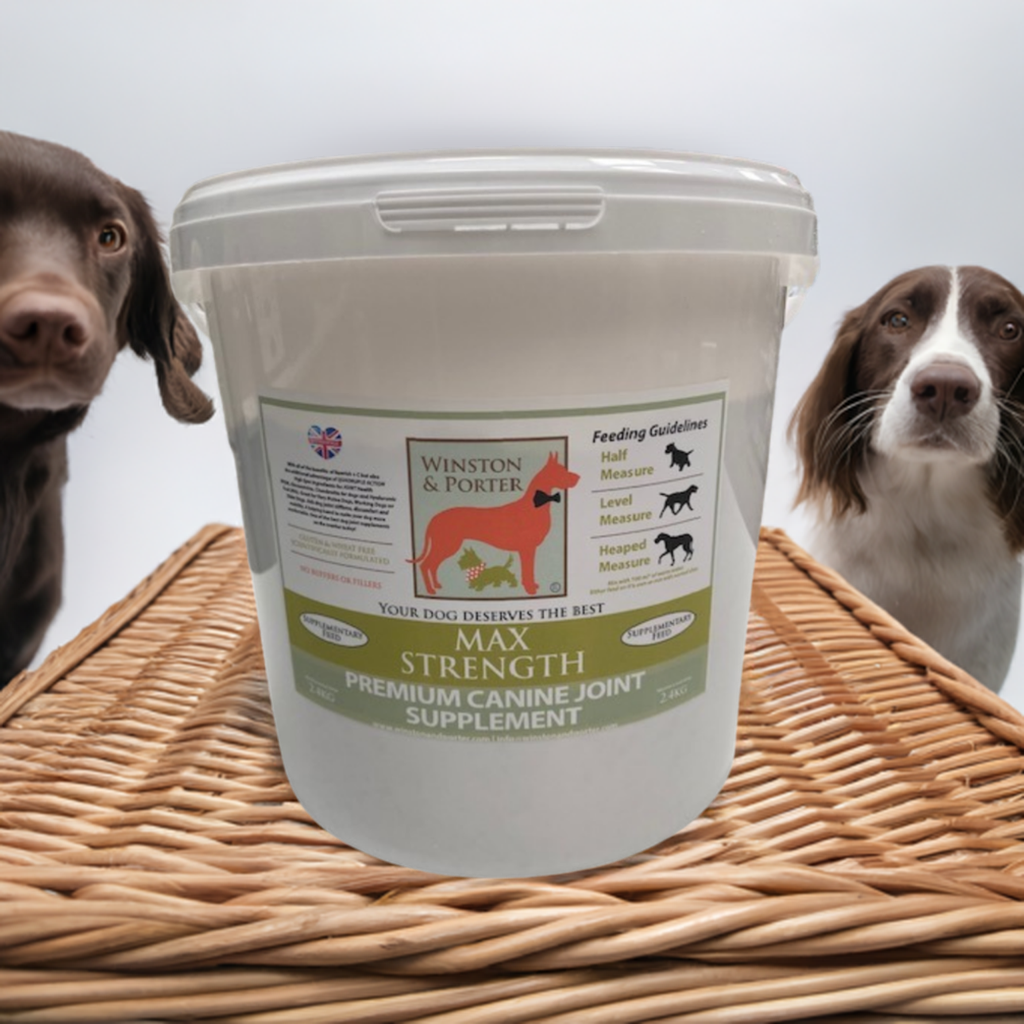
High-quality dog joint supplements are widely used to support joint health.
They can help:
Maintain cartilage
Improve joint lubrication
Reduce stiffness
Support long-term mobility
Key ingredients include:
Glucosamine
Chondroitin
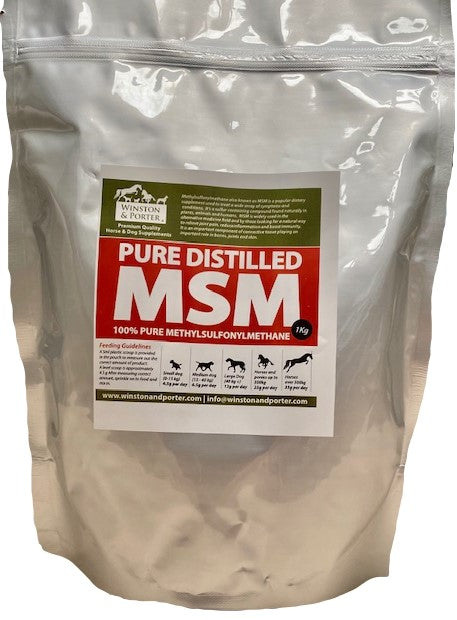
MSM
Hyaluronic acid
Turmeric
👉 Consistency is essential — most dogs show improvement within 4–8 weeks.
Your vet may recommend:
Anti-inflammatory medication
Pain management strategies
Further investigation if needed
Supplements can be used alongside veterinary care.
Small changes at home can make a big difference:
Orthopaedic bedding
Non-slip flooring
Ramps instead of stairs
The most effective approach is a combination of strategies:
Weight control
Regular exercise
Joint support supplements
Veterinary guidance
There is no single solution — long-term management is key.
Most dogs begin to show improvement within 4–8 weeks of consistent support.
Long-term management delivers the best results.
Starting treatment early can:
Slow joint degeneration
Maintain mobility
Improve quality of life
Waiting until symptoms are severe often makes management more difficult.
Arthritis is a long-term condition, but with the right approach, many dogs continue to live active, happy lives.
Consistent care, appropriate exercise, and high-quality joint support can make a significant difference.
A combination of weight management, exercise, supplements, and veterinary care.
Yes, they can support mobility and reduce stiffness when used consistently.
No, but it can be managed effectively.
👉Explore What Should I Give My Senior Dog for Mobility? A Practical Guide for Ageing Dogs
We also recently explored this topic in more detail in a guest article for The Good Dog Guide, looking at what dog owners should consider when choosing joint supplements and how ingredients like glucosamine and MSM support joint health.