
What Should I Give My Senior Dog for Mobility? A Practical Guide for Ageing Dogs
What Should I Give My Senior Dog for Mobility? (UK Guide)
If your once-bouncy dog now takes a little longer to get up…
If they hesitate before climbing the stairs…
If they don’t quite walk as far as they used to…
You’re probably wondering:
“What should I give my senior dog for mobility?”
It’s one of the most common questions dog owners ask as their pets enter their later years — and it’s not just about medication or supplements. Supporting mobility in senior dogs requires a whole-picture approach.
This guide walks you through what truly helps ageing dogs stay comfortable, confident, and active.
Understanding Mobility Changes in Senior Dogs
Mobility changes rarely happen overnight.
They’re usually gradual.
You might notice:
-
Slower transitions from lying to standing
-
Stiffness after resting
-
Shorter walks
-
Reduced jumping
-
Mild limping
In many older dogs, these changes are linked to natural joint ageing or osteoarthritis — a degenerative condition affecting cartilage.
But here’s the important part:
👉 Mobility decline is manageable.
With the right plan, many senior dogs continue enjoying comfortable, happy lives.
The Real Question Isn’t Just “What Should I Give Them?”
It’s:
-
What should I adjust?
-
What should I improve?
-
What should I support?
Mobility support works best when you think in layers:
1️⃣ Reduce strain
2️⃣ Improve comfort
3️⃣ Support joint function
4️⃣ Maintain muscle strength
5️⃣ Adapt the environment
Let’s break that down.
1️⃣ Reduce Joint Strain First
Before giving anything new, remove what’s causing stress.
Weight Matters More Than Most Owners Realise
Even 1–2kg of excess weight increases joint pressure significantly.
If your senior dog is overweight:
-
Reduce calories gradually
-
Choose joint-friendly nutrition
-
Increase gentle movement
Weight reduction alone can dramatically improve mobility.
Flooring & Surfaces
Slippery floors are brutal on ageing joints.
If your dog:
-
Slides on laminate
-
Struggles to stand on tile
Add:
-
Non-slip rugs
-
Paw grips
-
Carpet runners
Environmental changes often deliver instant improvements.
2️⃣ Support Muscle — Not Just Joints
Muscle loss (sarcopenia) is common in older dogs.
Weakened muscles mean:
-
Less joint stability
-
More strain
-
Greater stiffness
Gentle Strength-Building Exercises
Try:
-
Short, controlled walks
-
Hill walking (gentle incline)
-
Sit-to-stand exercises
-
Swimming (excellent low-impact option)
Consistency beats intensity.
Avoid:
-
Sudden bursts of chasing
-
Repeated jumping
-
Long, exhausting walks
Senior dog mobility is about smart movement.
3️⃣ Daily Joint Support (Nutrition & Supplementation)
Now we come to what most people mean when they ask:
“What should I give my senior dog?”
Nutrition plays a key role in maintaining joint function.
High-quality joint support often includes ingredients such as:
-
Glucosamine
-
Chondroitin
-
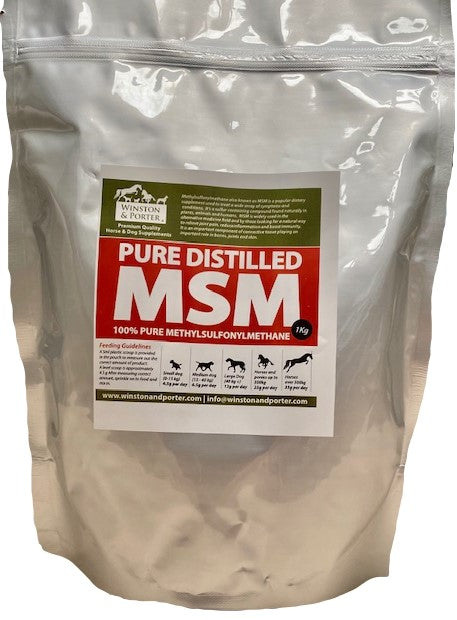
MSM
-
Hyaluronic acid
-
Omega-3 fatty acids
These nutrients help support:
-
Cartilage integrity
-
Lubrication
-
Connective tissue
-
Normal inflammatory balance
But here’s the important distinction:
Supplements support the joint environment.
They don’t instantly fix mobility.
Consistency is essential.
Many dogs show improvement within 4–8 weeks when supplements are used daily.
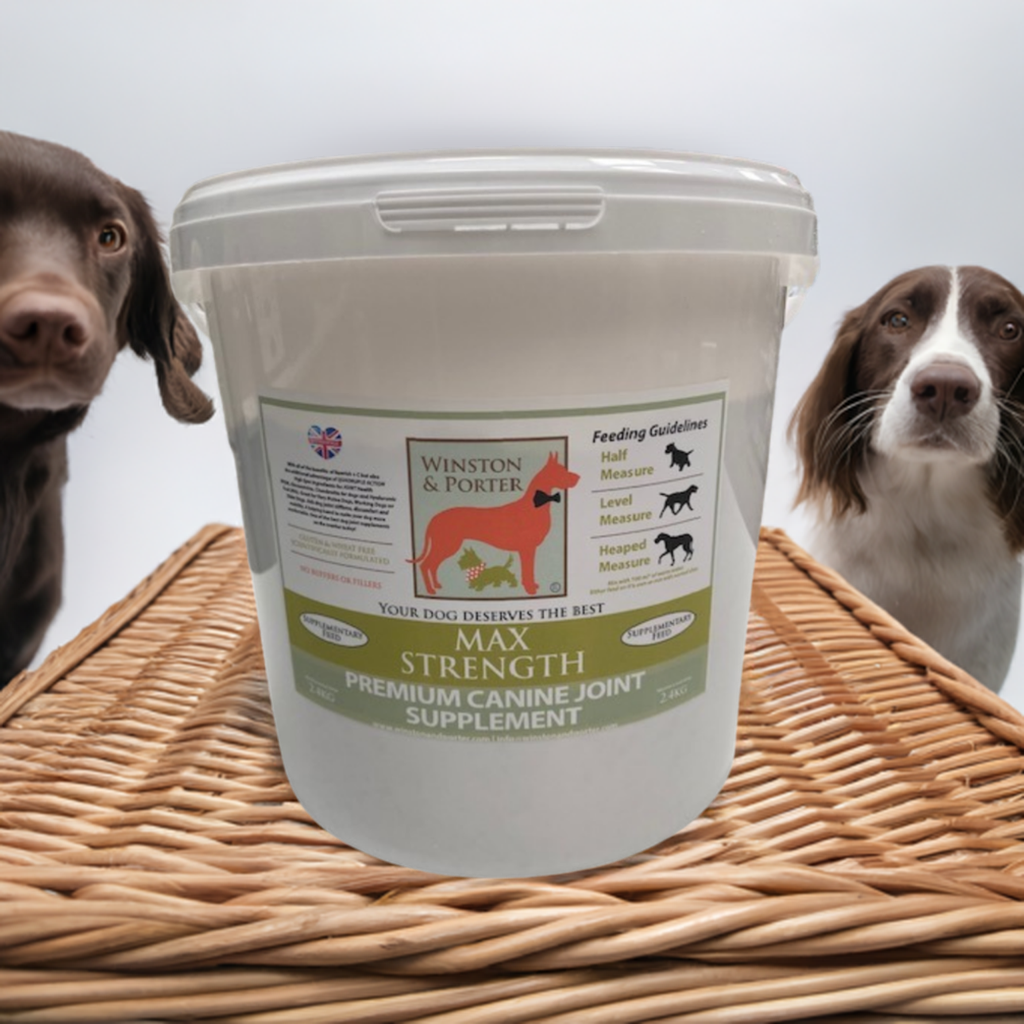
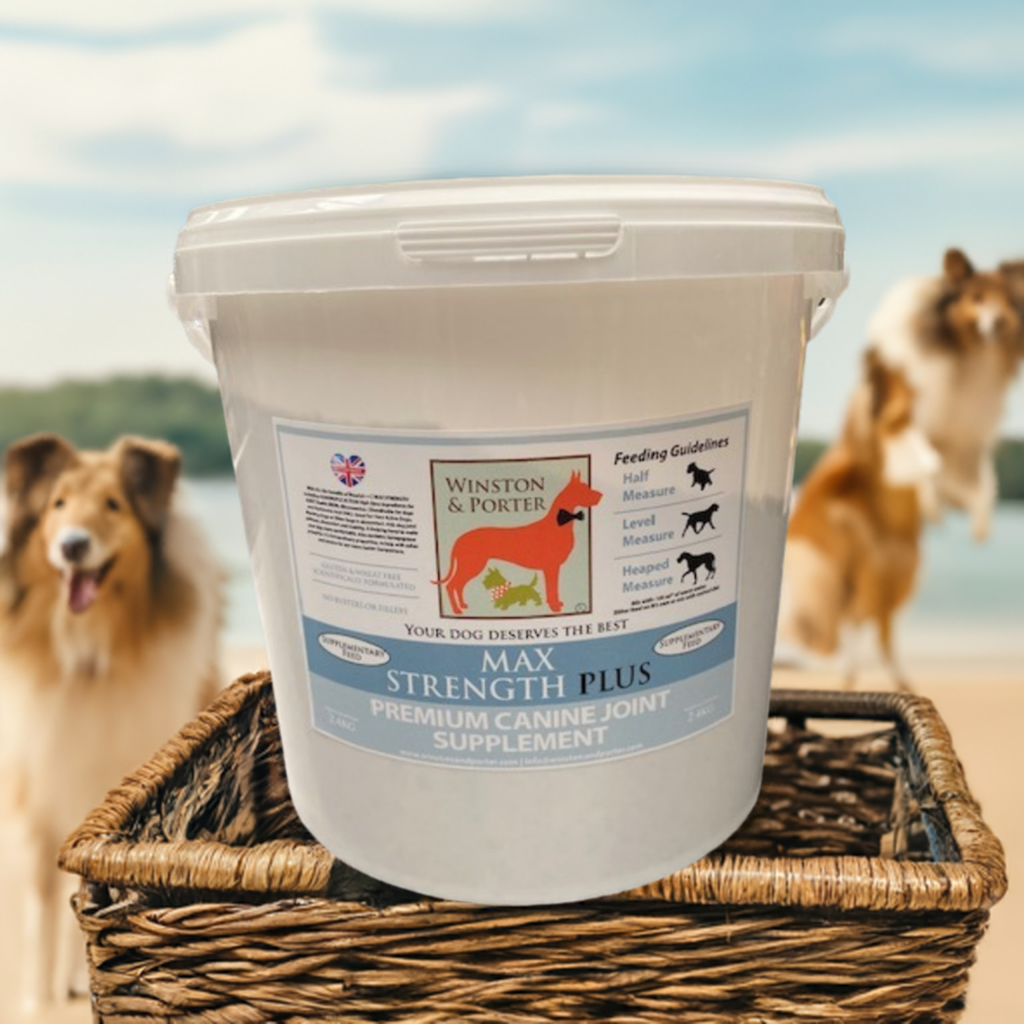
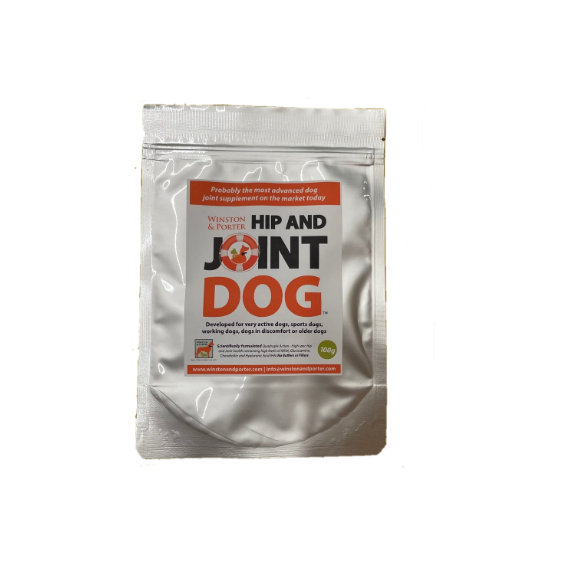
If you're exploring options, choose a well-formulated product designed specifically for senior dog joint health rather than generic “multivitamins.”
4️⃣ Pain Awareness & Veterinary Input
Sometimes mobility decline is more than simple ageing.
You should speak to your vet if you notice:
-
Persistent limping
-
Sudden stiffness
-
Reluctance to bear weight
-
Noticeable pain response
Veterinary treatment options may include:
-
Anti-inflammatory medication
-
Pain management plans
-
Diagnostic imaging
Joint supplements are often used alongside veterinary care, not instead of it.
Early intervention almost always produces better long-term outcomes.
5️⃣ Home Comfort Adjustments That Make a Big Difference
Small changes can dramatically improve senior dog mobility.
Orthopaedic Bedding
Memory foam beds reduce pressure on joints during rest.
Dogs spend many hours lying down — comfort here matters.
Ramps Instead of Stairs
Jumping in and out of cars or onto sofas stresses hips and elbows.
Ramps reduce joint impact immediately.
Elevated Food Bowls
For dogs with neck or shoulder stiffness, raised bowls can reduce strain during feeding.
What NOT To Give Your Senior Dog
It’s equally important to avoid:
-
Random human painkillers (dangerous)
-
Unverified “miracle cures”
-
Excessive exercise in the name of “keeping them active”
-
Low-dose supplements that contain minimal active ingredients
Mobility support should be thoughtful, not reactive.
Signs Your Senior Dog Needs More Support
You may need to increase mobility support if your dog:
-
Hesitates before standing
-
Appears stiff first thing in the morning
-
Walks slower than usual
-
Avoids stairs
-
Is less playful
These are early mobility signals — not just “old age.”
Can Senior Dogs Improve Their Mobility?
Yes — often significantly.
While arthritis cannot be reversed, its impact can be managed.
With:
-
Proper weight
-
Structured movement
-
Joint support
-
Environmental adjustments
Many senior dogs regain confidence and comfort.
Improvement is often gradual but meaningful.
If your dog shows persistent stiffness, read our full dog arthritis treatment guide.
How Long Does It Take to See Improvement?
That depends on the intervention.
-
Environmental adjustments → often immediate
-
Weight loss → noticeable in weeks
-
Supplements → typically 4–8 weeks
-
Strength rebuilding → gradual over months
Mobility management is a long-term commitment.
Creating a 30-Day Senior Dog Mobility Plan
If you want structure, try this:
Week 1
-
Assess weight
-
Improve flooring grip
-
Introduce orthopaedic bed
Week 2
-
Begin daily joint support
-
Short, controlled walks
Week 3
-
Add gentle strengthening exercises
-
Monitor stiffness patterns
Week 4
-
Review progress
-
Adjust activity level
Consistency wins.
Frequently Asked Questions
What is the best thing to give an old dog for mobility?
A combination of weight management, joint supplementation, and structured low-impact exercise is usually most effective.
Is stiffness normal in senior dogs?
Mild stiffness can occur with age, but persistent stiffness often indicates joint degeneration or arthritis.
Should I stop exercising my old dog?
No. Movement is essential — but it must be controlled and appropriate.
Are joint supplements safe for senior dogs?
Yes, when used as directed and formulated appropriately.
Final Thoughts: Supporting Movement, Not Just Age
When you ask, “What should I give my senior dog for mobility?” the honest answer is:
Give them support.
Give them structure.
Give them comfort.
Give them consistency.
Ageing doesn’t have to mean inactivity.
With the right combination of environment, nutrition, and smart movement, many senior dogs maintain comfort and mobility well into their later years.
Supporting Senior Dog Mobility
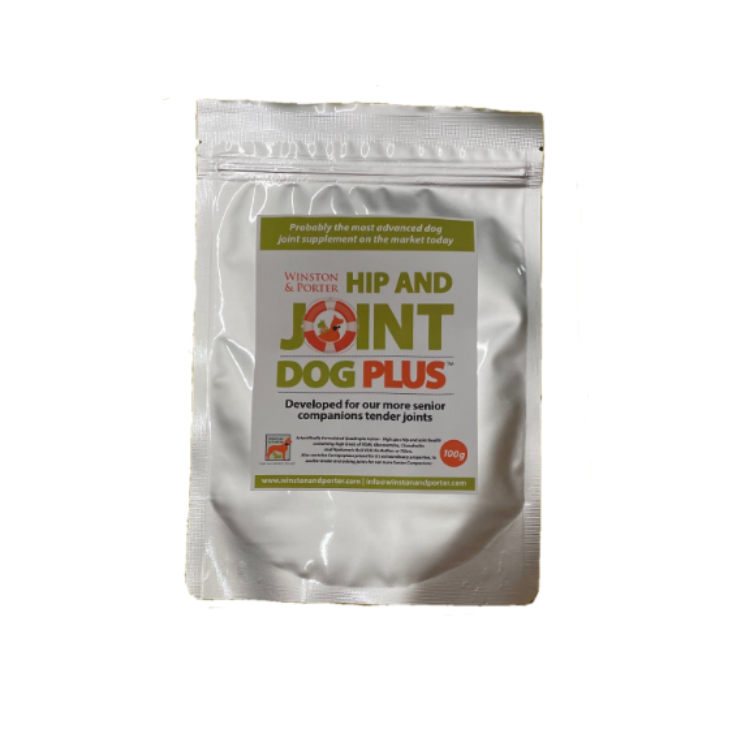
If you're looking for targeted senior dog joint support in the UK, explore high-quality joint formulations designed to maintain comfort and mobility as dogs age.
👉 Read our Dog Arthritis Treatment Guide
👉 Explore the best dog joint supplements UK
👉Explore joint support for senior dogs
👉How to Spot Early Signs of Joint Pain in Your Dog: A Complete Guide
For a deeper look at ingredients and how joint supplements support mobility in ageing dogs, you can read the full best dog joint supplements UK guide from Winston & Porter on The Good Dog Guide
Blogtastic Articles

17
Jul

03
Mar