
How to Protect Your Dog’s Joints in Flyball and Agility

How to Protect Your Dog’s Joints in Flyball and Agility
Agility and flyball are two of the most exciting and fast-paced dog sports in the world. Watching a dog sprint, jump, twist and race with enthusiasm is incredible — but these high-energy activities also place significant demands on a dog’s joints.
Because agility and flyball involve repeated jumping, turning and explosive acceleration, protecting joint health is an important part of responsible training and long-term care.
The good news is that with the right approach — including training, conditioning, recovery and nutritional support — owners can help their dogs stay comfortable, mobile and active for many years.
Why Agility and Flyball Can Be Hard on Joints
Dogs participating in agility and flyball perform powerful athletic movements, including:
-
Repeated jumping and landing
-
Sudden turns and tight directional changes
-
Rapid acceleration and braking
-
High-speed sprinting
-
Repetitive training sessions
These movements place particular stress on joints such as:
-
shoulders
-
elbows
-
hips
-
knees
-
spine
Over time, repetitive strain can contribute to joint wear or reduced flexibility, especially in highly active dogs.
This is why many experienced handlers focus on preventative joint care.
Build Strength and Conditioning
Strong muscles help stabilise joints and reduce the risk of injury.
Conditioning exercises such as controlled hill walking, balance work and strength training can help support the muscles that protect joints.
Examples include:
-
controlled sit-to-stand exercises
-
balance work on stability equipment
-
swimming for low-impact conditioning
-
regular walking on varied terrain
Well-conditioned dogs are generally better able to handle the physical demands of agility and flyball.
Always Warm Up Before Training
Just like human athletes, dogs benefit from a proper warm-up before intense activity.
A short warm-up helps prepare muscles and joints for movement and may reduce the risk of strain.
A typical warm-up might include:
-
5–10 minutes of brisk walking
-
gentle trotting
-
simple mobility movements
Allowing the body to gradually increase circulation and flexibility helps prepare the dog for higher-intensity activity.
Allow Proper Recovery Time
Rest and recovery are essential for active dogs.
Repeated intense training sessions without adequate recovery can place unnecessary strain on joints and connective tissues.
Providing appropriate rest days and monitoring for signs of fatigue or stiffness helps protect long-term joint health.
Signs a dog may need more recovery include:
-
stiffness after exercise
-
reduced enthusiasm for training
-
slower performance
-
reluctance to jump
Listening to your dog’s body is an important part of injury prevention.
Maintain a Healthy Weight
Excess body weight increases stress on joints.
For agility and flyball dogs, maintaining an optimal body condition is particularly important because additional weight places extra pressure on joints during jumping and landing.
Keeping dogs lean and well-conditioned helps reduce unnecessary strain on hips, knees and elbows.

Consider Joint Supplements for Active Dogs
Many agility and flyball handlers include joint supplements as part of their dog’s long-term care routine.
High-quality joint supplements can help support:
-
cartilage health
-
joint lubrication
-
connective tissue strength
-
flexibility and mobility
Providing additional nutritional support can be particularly beneficial for dogs involved in repetitive, high-impact activity.
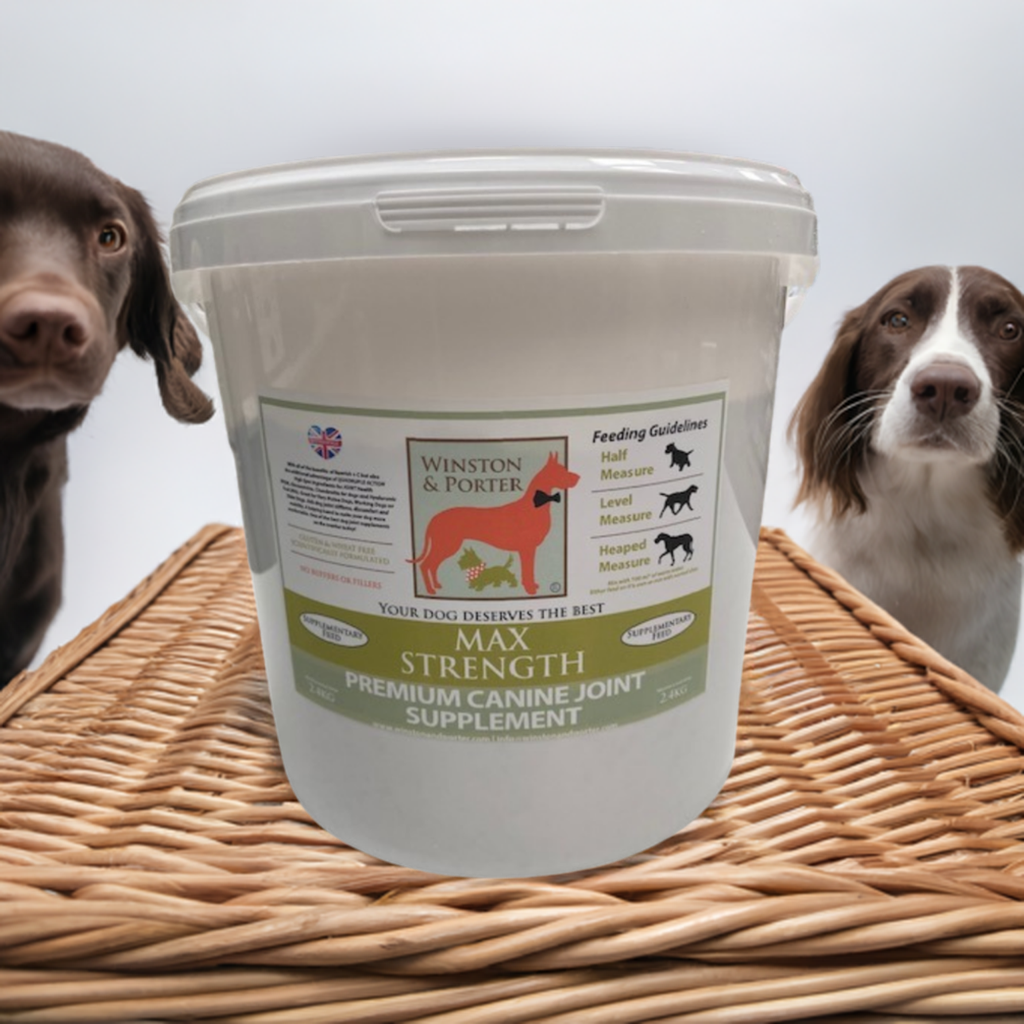
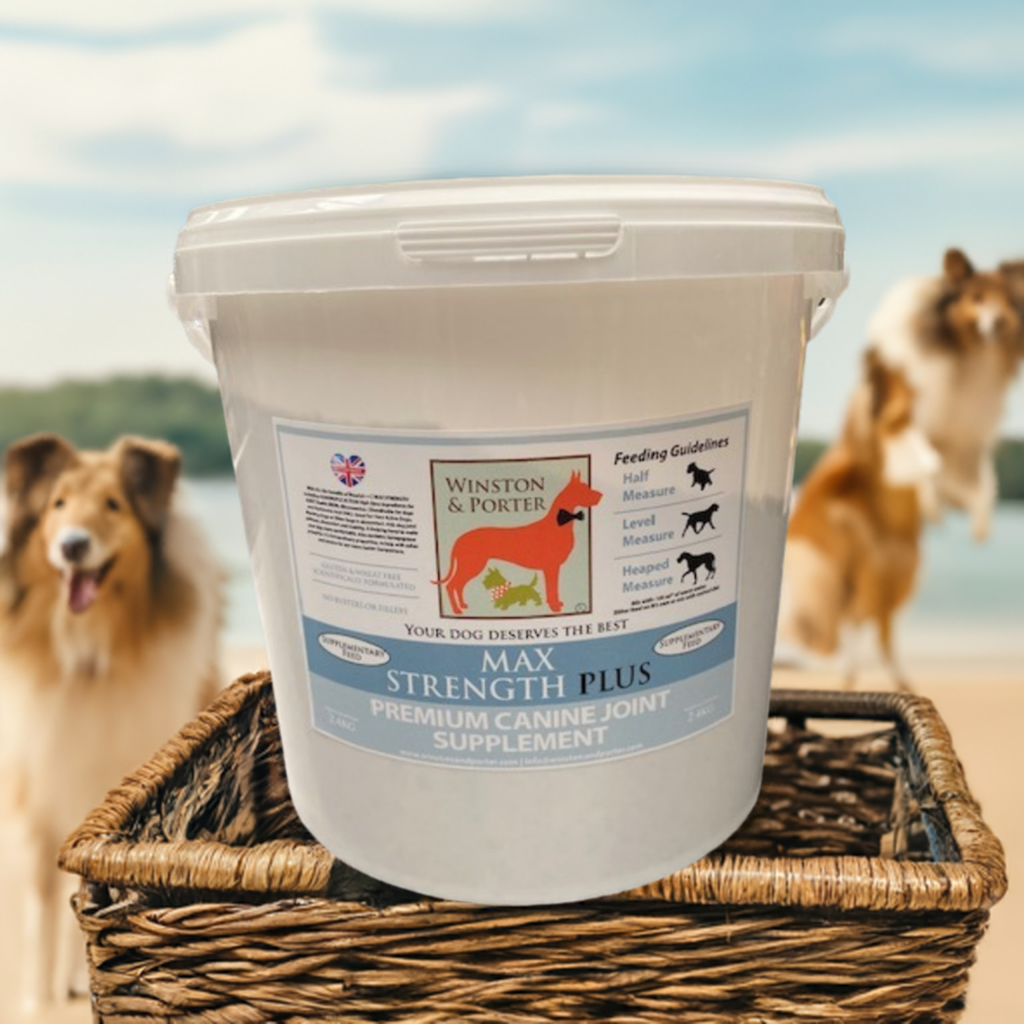
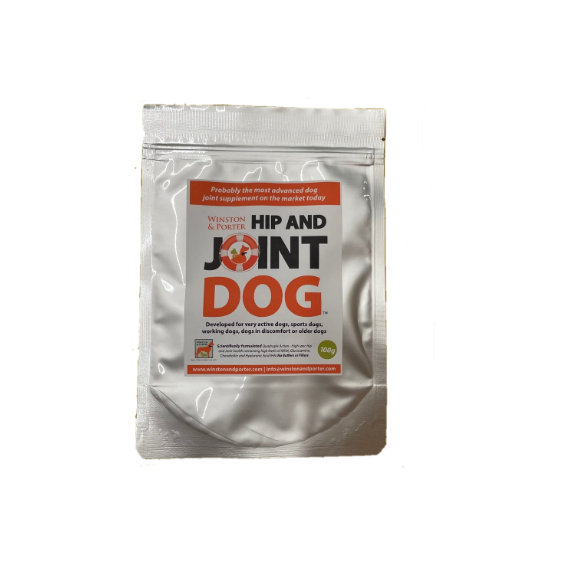
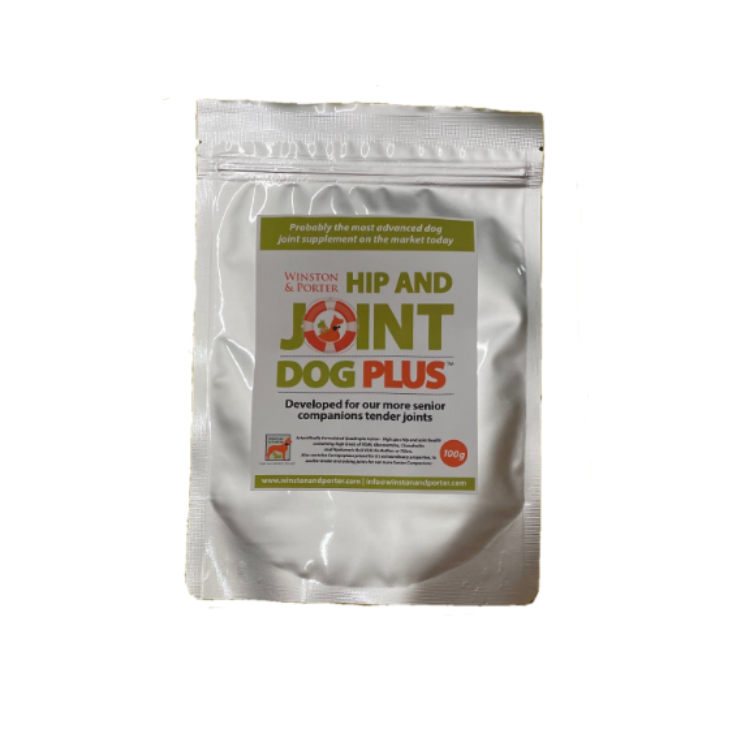
At Winston & Porter, our dog joint supplements are developed using carefully selected ingredients designed to support mobility and joint health in active dogs.
👉 Explore Dog Joint Supplements
Supporting the Long-Term Health of Canine Athletes
Agility and flyball are fantastic sports that strengthen the bond between dogs and their handlers.
With proper conditioning, sensible training and the right nutritional support, owners can help protect their dog’s joints and support long-term mobility.
Healthy joints allow dogs to remain confident, active and comfortable, whether competing on the course or enjoying everyday adventures.
Blogtastic Articles

17
Jul

03
Mar