Sir David Attenborough’s Warning About Flat-Faced Dogs—and What Owners Need to Know
Britain has always been a nation of dog lovers. Our dogs are part of the family, joining us on walks, holidays and, quite often, the sofa.
According to the latest figures from UK Pet Food, approximately 15.5 million dogs now live in UK homes, with 41% of households owning at least one. Among people aged 25 to 34, dog ownership has risen from 41% to 58%.
However, as our love of dogs continues to grow, Sir David Attenborough’s comments about selective breeding remain as relevant as ever.
When appearance comes before welfare
During a Radio Times interview in 2014, Sir David was asked whether he would consider making a television programme about dogs.
Although he spoke warmly about his love for them, he also expressed concern about what people have done to certain breeds in pursuit of a particular appearance. He questioned the desire to breed dogs with increasingly flat faces, warning that some animals had effectively been left “crippled because of man’s vanity”.
His words were direct, but the message behind them was simple: a dog’s health, comfort and quality of life should always matter more than how fashionable or appealing it looks.
Sir David went on to name Labradors and Irish Setters among his favourite dogs, but his wider point wasn’t about one breed being better than another. It was about the responsibility humans have when deciding which physical traits should be encouraged through breeding.
Why can flat faces cause problems?
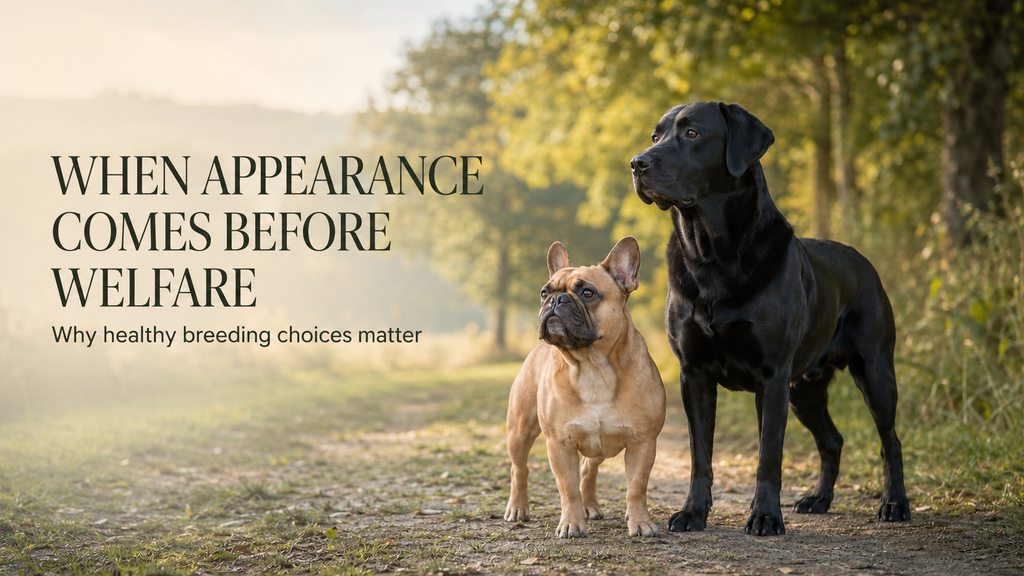
Flat-faced dogs are described as brachycephalic. Popular examples include French Bulldogs, Pugs, English Bulldogs, Boston Terriers and some Shih Tzus.
Their shortened skulls give them the rounded heads, large eyes and small noses that many people find adorable. Unfortunately, the structures inside the dog’s mouth and throat do not always become smaller to match the shortened skull.
This can leave less room for air to pass through and may lead to a condition called Brachycephalic Obstructive Airway Syndrome, commonly known as BOAS.
Dogs affected by BOAS may have difficulty breathing, regulating their temperature, exercising, eating comfortably or getting a restful night’s sleep. Eye, dental and skin-fold problems can also be more common in dogs with extreme facial features.
Snoring and snorting aren’t always harmless
One of the biggest difficulties is that breathing problems can be mistaken for normal breed behaviour.
Snoring, snorting and noisy panting may appear amusing or endearing, especially when these sounds are widely shared on social media. However, they can sometimes indicate that a dog is working much harder than it should simply to breathe.
Warning signs can include:
- Very noisy breathing, even when resting
- Difficulty keeping up on walks
- Gagging or retching when eating or drinking
- Disturbed sleep or sleeping with the head raised
- Struggling noticeably in warm weather
- Taking a long time to recover after exercise
- Blue or grey-looking gums
- Fainting or collapsing
Any dog experiencing breathing distress, blue or grey gums, or collapse needs urgent veterinary attention.
This isn’t about blaming loving owners
It is important to say that this conversation should never be used to shame people who already share their lives with a flat-faced dog.
French Bulldogs, Pugs and similar breeds can be wonderful, affectionate companions. Their owners understandably love them deeply, and many work extremely hard to give them happy and comfortable lives.
The most helpful approach is awareness rather than blame. If you already own a flat-faced dog, become familiar with their normal breathing and behaviour. Speak to your vet if you notice changes or have concerns—even if the symptoms have always seemed “normal for the breed”.
Maintaining a healthy weight can be particularly important because excess weight may place additional strain on a dog’s breathing and joints. Using a well-fitted harness instead of placing pressure on the neck, avoiding strenuous exercise during hot weather and arranging regular veterinary checks may also help.
Some dogs with more significant airway obstruction may need specialist assessment or surgery. Your vet is the right person to advise you about your individual dog.
Thinking about bringing home a puppy?
Anyone considering a puppy should look beyond colour, facial shape and social-media popularity.
A responsible breeder should be open about the health of both parents, provide evidence of appropriate health screening and be willing to discuss any breed-related risks. They should breed for health, temperament and function—not for the flattest possible face or the most exaggerated features.
Look for a dog with:
- Open, clearly visible nostrils
- A less exaggerated facial shape
- Quiet, comfortable breathing
- The ability to move and play without struggling
- Healthy eyes and skin folds
- Parents that have completed the relevant health assessments
Never feel pressured into making an immediate decision. A responsible breeder will welcome questions and will care just as much about where the puppy is going as you do about where it has come from.
Adopting from a reputable rescue organisation is another option. Rescue teams can explain a dog’s known health needs and help you decide whether you are able to provide the right home and ongoing care.
Choosing health over fashion
Sir David Attenborough’s comments may have been made more than a decade ago, but they raise a question that still deserves our attention: should any animal have to struggle because people prefer a certain look?
Dogs do not care whether their faces match a trend or attract attention online. They care about being able to breathe, walk, play, eat, sleep and enjoy time with the people they love.
At Winston & Porter, we believe every decision about a dog—from breeding and choosing a puppy to nutrition, exercise and lifelong care—should begin with its wellbeing.
Fashion changes. A dog must live with the body we have bred for its entire life. Let’s make sure future generations of dogs are given the best possible chance to live comfortably, breathe freely and enjoy the active, happy lives they deserve.
This article is intended for general information and is not a substitute for veterinary advice. If you are worried about your dog’s breathing or general health, please contact your vet.
Blogtastic Articles
17
Jul


03
Mar