
Joint Supplements for Growing Large Breed Dogs: A Guide
Last Updated: October 23, 2026
Quick Summary
Joint supplements for growing large breed dogs should only be given after your vet confirms growth plates have closed, typically between 12 and 24 months depending on breed. During rapid growth, focus on a complete large-breed puppy diet, lean body condition and sensible exercise instead, since supplementing early can unbalance nutrition and raise the risk of developmental orthopaedic disease.
- Ask your vet to assess growth-plate closure, often via X-ray, before starting any joint supplement.
- Large and giant breeds mature skeletally anywhere from 12 to 24 months, depending on breed and bloodline.
- A complete large-breed puppy diet already has balanced calcium, phosphorus and energy, so added supplements can tip that balance.
- Keep your puppy lean and avoid repetitive high-impact activity on hard surfaces during growth.
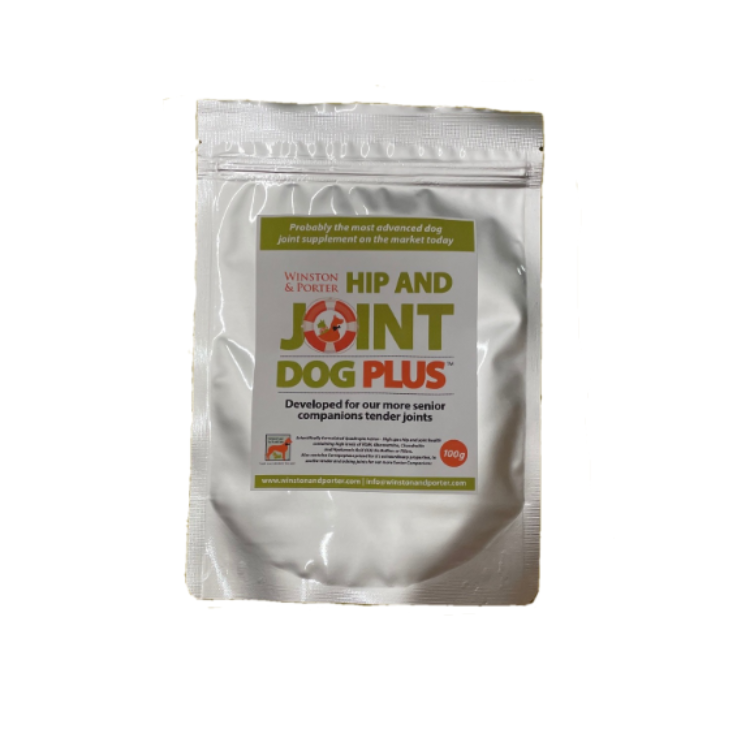
- Hip & Joint Dog PLUS provides 2,500mg glucosamine, 1,200mg chondroitin, 2,500mg MSM and 300mg hyaluronic acid per serving.
Table of Contents
- Why Growing Large Breed Dogs Need Joint Support
- When to Start Joint Supplements for Dogs
- Joint Supplements for Large-Breed Puppies: Safety and Timing
- Key Joint Supplement Ingredients for Dogs
- Large-Breed Puppy Nutrition and Joint Development
- How to Choose a Joint Supplement for Growing Large Breed Dogs
- Frequently Asked Questions
Why Growing Large Breed Dogs Need Joint Support
Joint supplements for growing large breed dogs sit at an awkward intersection of genuine science and marketing noise. According to Hoffman et al.'s 2022 study in Frontiers in Veterinary Science, 40% of adult dogs in the study population received some type of joint supplement, with older, larger and ever-overweight dogs more likely to be given one. Notice what that statistic doesn't say: it doesn't prove supplements prevent joint disease. That distinction matters enormously when you're deciding what to give a puppy whose skeleton is still forming.
At Winston & Porter, we've built our dog range around that distinction.
Large-breed puppies grow fast. Bone, cartilage and connective tissue develop on a timeline that varies by breed and bloodline, and pushing growth harder than nature intended is where problems start. The question isn't whether joint support matters. It's whether supplementation during growth helps, does nothing, or actively interferes.

When to Start Joint Supplements for Dogs
The honest answer: it depends on the dog, and a vet should be involved in the decision. There is no universal start date.
What we can say with confidence is that timing should follow the dog's life stage, not a marketing calendar. A puppy still sprinting through growth spurts has different needs from an adult dog carrying working load, and different again from a senior slowing down on morning walks.
A practical way to think about it:
- During rapid growth: focus on balanced nutrition and appropriate exercise first. Ask your vet before adding anything.
- Once growth plates have closed: joint support becomes a reasonable preventive conversation.
- At any age with visible stiffness: seek veterinary assessment before self-prescribing.
The common mistake is treating a supplement as a substitute for the right food and sensible exercise. It isn't.
Joint Supplements for Large-Breed Puppies: Safety and Timing
This is where most guides go quiet, and it's the part that matters most. Guidance from Canine Arthritis Resources and Education on feeding large and giant breed puppies warns that supplements during growth can disrupt nutritional balance and raise the risk of developmental orthopaedic disease, including elbow or hip dysplasia. That's a serious caution, and it applies to the growth window specifically. Managing these critical developmental stages requires a proactive approach to hip dysplasia prevention that prioritizes controlled growth and structural integrity over reactive supplementation.
Evidence on early glucosamine or chondroitin use is thin. One puppy-focused review notes there's no evidence these ingredients harm growth plates, but equally no evidence that starting early changes an adult hip score. Absence of harm is not the same as proof of benefit.
So how do you decide? Start with the dog's growth stage, not the calendar. Large and giant breeds mature skeletally anywhere from 12 to 24 months, depending on breed and bloodline. A puppy still sprinting through growth spurts has different needs from an adult dog carrying working load, and different again from a senior slowing down on morning walks. The decision to supplement should follow three practical steps:
- Confirm skeletal maturity. Ask your vet to assess growth-plate closure, often via X-ray, before starting any joint supplement. This is the single most useful checkpoint.
- Review the diet. A complete large-breed puppy diet already contains balanced calcium, phosphorus and energy. Adding a joint supplement on top can tip that balance, so bring the full ingredient list to your vet.
- Monitor body condition and exercise. Keep the puppy lean and avoid repetitive high-impact activity on hard surfaces during growth. These measures do more for long-term joint health than any supplement started early.
Watch Out
Adding joint supplements to a large-breed puppy's diet without veterinary guidance can unbalance an already carefully formulated growth diet. The consequence isn't theoretical: developmental orthopaedic disease can affect a dog for life.
What we'd do: feed a complete large-breed puppy diet, keep the puppy lean, manage exercise on hard surfaces, and wait for your vet's green light before supplementing. Once growth plates have closed, joint support becomes a reasonable preventive conversation, and that's when our formulas, developed with scientific rigour, can play their part.

Key Joint Supplement Ingredients for Dogs
Ingredient lists are where transparency separates serious products from clever packaging. Here's what the main players actually do.
Glucosamine and Chondroitin
Glucosamine and chondroitin are the best-known cartilage-support ingredients, typically paired in joint formulas. Glucosamine is a building block used in cartilage maintenance; chondroitin is thought to help cartilage retain water and resilience. Evidence for either in growing dogs is limited, which is why dose and life stage matter more than label claims.
MSM and Hyaluronic Acid
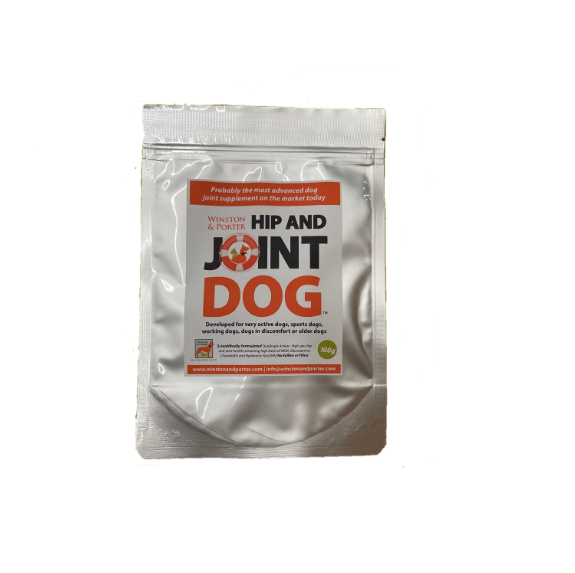
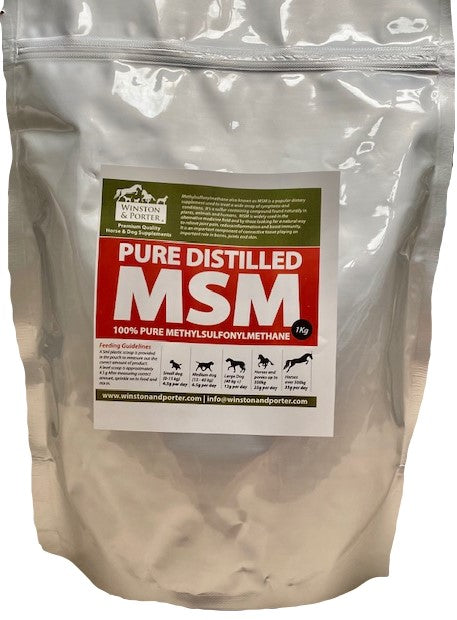
MSM (methylsulfonylmethane) is used for connective-tissue support, while hyaluronic acid contributes to joint lubrication. Both appear in our Hip & Joint Dog PLUS at meaningful levels: 2,500mg glucosamine, 1,200mg chondroitin, 2,500mg MSM and 300mg hyaluronic acid per serving. That product also includes serrapeptase, an enzyme we use to help soothe stiff joints.
Hip & Joint Dog PLUS – Premium High-Strength Canine Joint Support Powder (UK) →
Omega-3s, Green-Lipped Mussel, and Turmeric
Omega-3 fatty acids, particularly marine-based sources, support a healthy inflammatory response. Green-lipped mussel is a natural ingredient popular in joint formulas, turmeric is used for similar reasons, and vitamin C supports connective tissue. Avocado and soybean unsaponifiables appear in some products too. None of these replaces veterinary care for diagnosed arthritis.
Large-Breed Puppy Nutrition and Joint Development
Nutrition does more for a growing large-breed dog's joints than any supplement can. Large-breed puppy diets are formulated with controlled calcium and energy levels precisely because overfeeding accelerates growth and loads immature joints. Keeping your puppy at a healthy body condition, rather than pushing maximum size, is one of the most effective long-term joint decisions you can make.
Exercise belongs in the same conversation. Free running on hard ground, repetitive jumping and long forced walks during growth put stress on developing joints. Short, frequent, varied activity suits growing dogs better.
Pro Tip
Weigh your large-breed puppy monthly and check body condition by feel, not just appearance. A lean puppy growing steadily beats a heavy puppy growing fast, and your vet can adjust the feeding guide as the growth rate changes.
How to Choose a Joint Supplement for Growing Large Breed Dogs
Choosing well comes down to evidence, transparency and fit for the dog in front of you. A randomized, placebo-controlled, double-blinded trial led by E. Martello and colleagues in 2022 investigated a dietary supplement in dogs with osteoarthritis, which is the standard of evidence worth looking for. Most products have nothing comparable behind them.
Use this checklist before buying anything:
- Are active ingredient amounts stated per serving, not hidden in a proprietary blend?
- Is the formula appropriate for your dog's life stage, with vet approval for puppies?
- Are ingredients human-grade, with no fillers or artificial additives?
- Does the format suit your dog: powder, chewable or capsule?
- Is dosing guidance clear for your dog's body weight?
- Are there verifiable reviews from real owners?
| Consideration | What to Look For | Why It Matters |
|---|---|---|
| Ingredient disclosure | Exact mg per serving | Lets your vet assess suitability |
| Life stage | Puppy-safe guidance | Avoids growth-period risks |
| Format | Powder, chewable, capsule | Palatability and easy dosing |
| Quality | Human-grade, no fillers | Consistent, clean formulation |
| Reviews | Verified owner feedback | Real-world palatability and results |
Beyond the checklist, evaluate the evidence behind each ingredient. Glucosamine and chondroitin have the most research, but results are mixed and often modest. Omega-3s from marine sources have reasonable support for supporting a healthy inflammatory response. MSM and hyaluronic acid have less robust evidence but are widely used. Green-lipped mussel and turmeric have some promising studies but are not proven treatments. Ask yourself: does the product cite specific studies, or just make claims?
Dosing is another area where labels vary. Most supplements give a range based on body weight, but growing puppies need a vet's input because their weight changes rapidly. A practical approach is to weigh your puppy monthly and adjust the dose only under veterinary guidance. Never scale up a dose because the puppy is large for its age, metabolism and nutritional needs differ.
Finally, consider safety and interactions. Some ingredients, such as MSM, can interact with certain medications. If your dog is on any treatment, check with your vet before adding a supplement. Reputable manufacturers will provide a certificate of analysis and follow quality standards such as Good Manufacturing Practice (GMP). Look for clear contact details and a willingness to answer questions about sourcing.
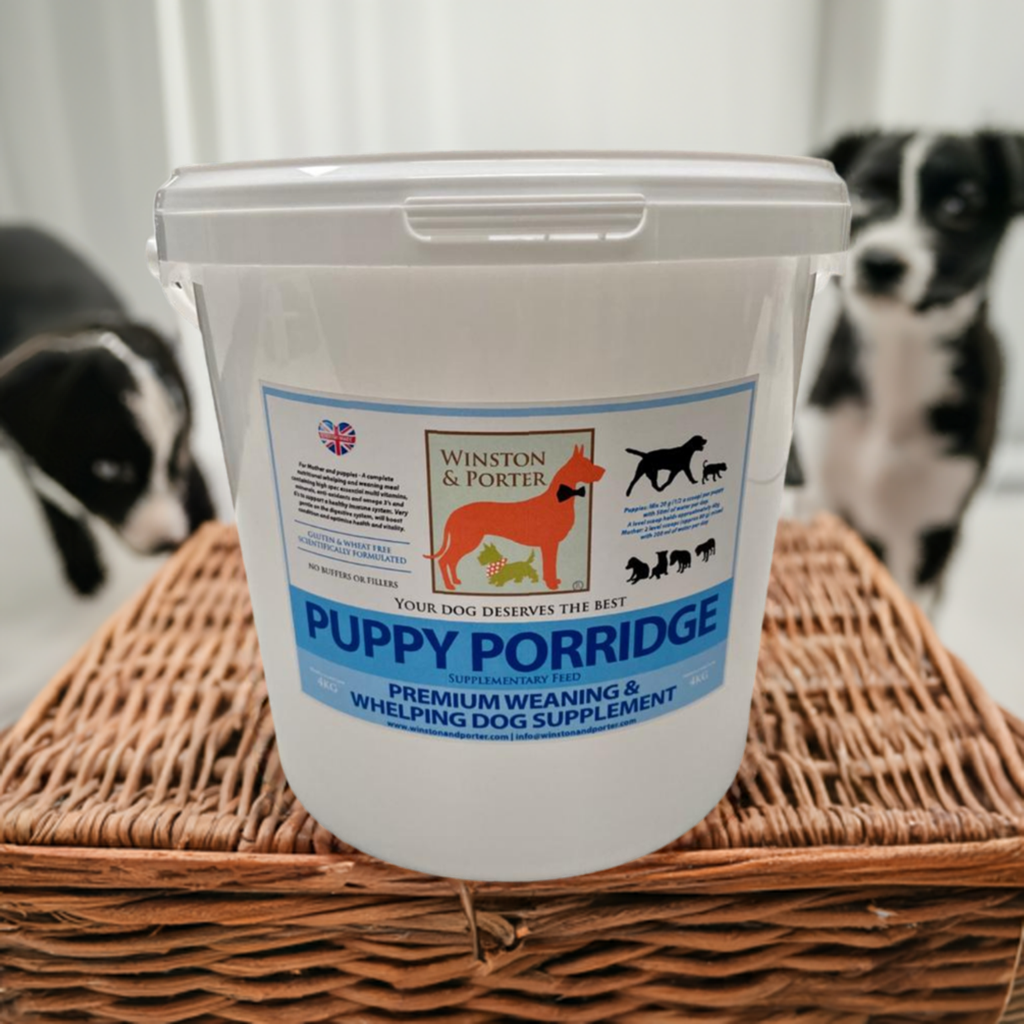
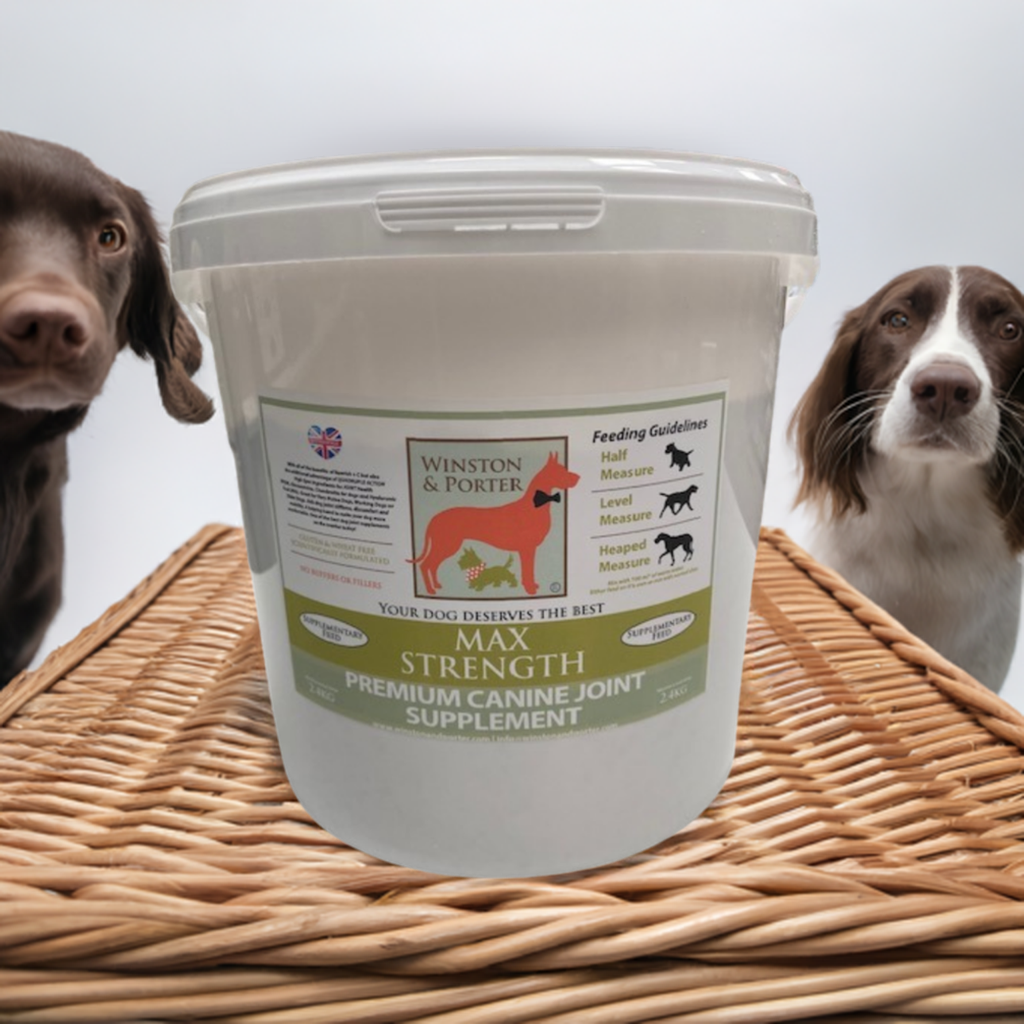
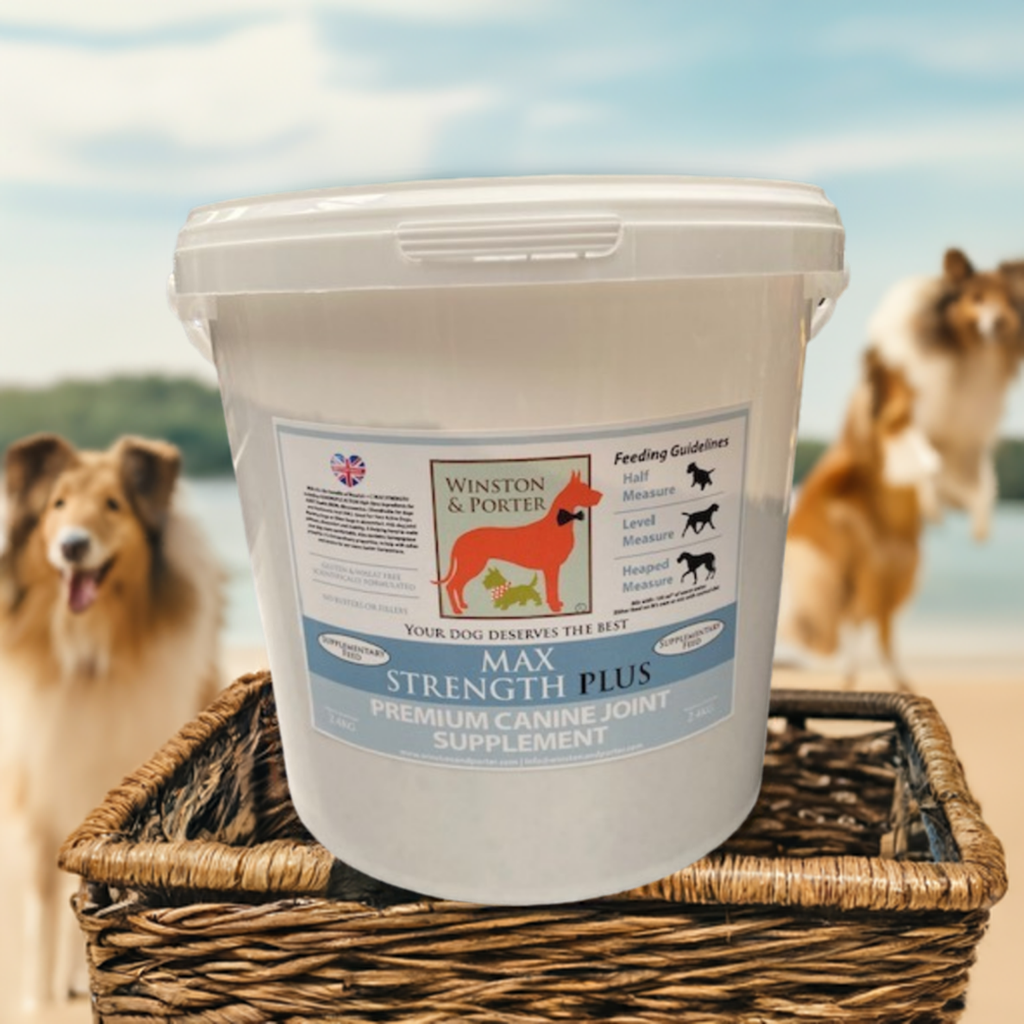
For adult dogs and puppies cleared by your vet, our Hip & Joint Dog PLUS at £23.70 delivers the four core ingredients at high strength, [while Max Strength Plus](https://winstonandporter.com/products/max-strength-plus-premium-canine-joint-supplement-from) at £31.45 offers a porridge format with serrapeptase for dogs needing gentler daily support. Owners tell us palatability is the make-or-break factor.

Frequently Asked Questions
Do growing large-breed dogs need joint supplements?
Not all growing large-breed dogs need joint supplements, but those with a family history of joint issues, rapid growth, or high activity may benefit. However, routine supplementation during growth should be guided by a vet to avoid disrupting nutritional balance. Always choose products with transparent ingredients and consult your vet before starting.
What joint supplement ingredients are safe for large-breed puppies?
Avoid proprietary blends and always check with your vet, as some ingredients may not be suitable during rapid growth. Look for products that list exact amounts per serving.
When should I start giving my large-breed puppy joint supplements?
There is no universal age. However, evidence for starting in puppies as prevention is uncertain. Always consult your vet to tailor to your dog's growth rate and health status.
Can joint supplements prevent hip dysplasia in large-breed dogs?
Joint supplements alone cannot prevent hip dysplasia, which is largely genetic. However, they can support joint health and may help manage symptoms if dysplasia develops. A combination of proper nutrition, controlled exercise, and weight management is key. Supplements like glucosamine and chondroitin may support cartilage, but they are not a cure.
How do I choose a joint supplement for a growing dog?
Choose a supplement with transparent labeling, proven ingredients (glucosamine, chondroitin, MSM, omega-3s), and dosages suitable for your dog's weight. Avoid products with fillers or artificial additives. Look for third-party testing or veterinary endorsement. For growing large breeds, consult your vet to ensure the supplement supports rather than disrupts growth.
Growing a large-breed dog well takes patience, good food and honest advice, and joint support should never shortcut any of that. If you're ready to build a sensible routine once your vet gives the go-ahead, our team can help you choose between our high-strength powder and porridge formats, both made with human-grade ingredients in our UK family business. Register with Winston & Porter and give your dog the support to move comfortably for longer.

Blogtastic Articles

26
Oct